
For parents seeking unique playthings and thoughtful gifts, the enchanting world of blabla offers more than just whimsy. The name may sound playful, but what truly stands out is a commitment to handmade dolls and toys crafted with warmth, care, and an unwavering dedication to sustainable values. Blending creativity with environmental consciousness, this approach resonates strongly with families looking for alternatives to mass-produced options. Let’s explore how this crafted philosophy in children’s products is making waves, connecting communities, and redefining what it means to play and cherish.
Why choose handmade dolls and toys?
The touch of skilled hands brings a certain magic to each toy, infusing personality into every curve and stitch. Handmade dolls and toys carry originality and soul—qualities that inspire deeper bonds with children and foster imaginative play.
Unlike factory-made items, these creations often feature unique imperfections that reveal their origins. They transform ordinary playtime into memorable adventures, sparking creativity and empathy as children invent worlds with characters made just for them.
The rise of eco-friendly products in children's playrooms
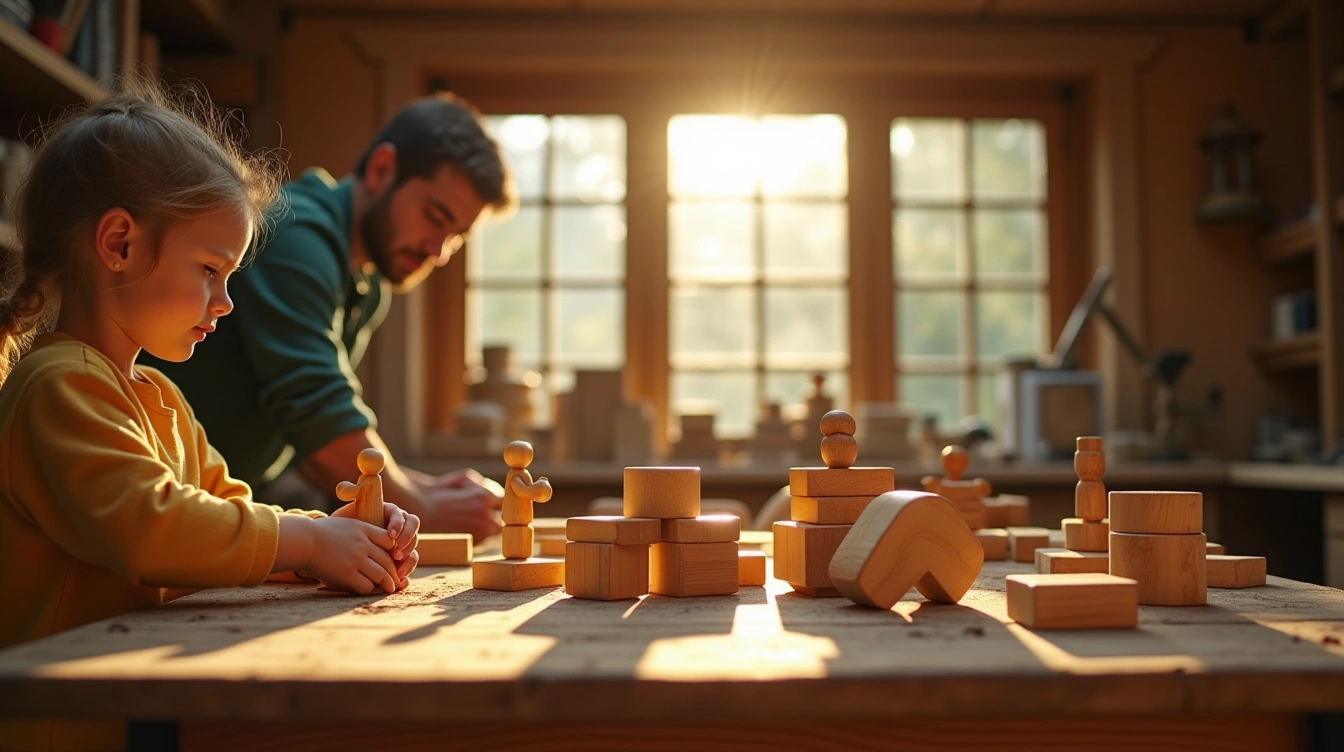
Eco-conscious choices are no longer exclusive to adults. Increasingly, parents opt for eco-friendly products when furnishing their children’s play spaces. Handmade kids’ toys crafted from natural materials do more than entertain—they actively support global sustainability efforts.
This move away from plastics has inspired artisans to use ecological fibers, non-toxic dyes, and responsible sourcing. Not only does this benefit the planet, but it also introduces children early on to mindful living through beloved everyday objects like those from Blabla.
Natural materials and artisanal craftsmanship: A perfect match
Combining natural materials with artisanal craftsmanship produces durable, safe, and beautifully textured knit dolls. Cotton, linen, bamboo, and organic wool become remarkable in the hands of skilled makers, transforming basic forms into tactile works of art.
The plant-based nature of many fibers ensures child safety by reducing exposure to harmful chemicals. These thoughtfully constructed toys endure years of hugs and play, becoming treasured companions over time.
- 🌱 Organic cotton for hypoallergenic softness
- 🧶 Hand-spun yarns for unique textures
- 🍃 Plant-based dyes for safer play
- 👶 Allergen-free fillings for extra comfort
Community and connection through creative exchange
The philosophy behind traditional toy-making extends beyond individual artistry. It promotes community-based travel experiences where designers and artisans share ideas, develop skills, and celebrate cultural heritage together. This network breathes life into every finished doll or figure, linking origin and destination, creator and consumer.
As buyers show greater interest in provenance, knowing who crafts these cherished objects becomes increasingly valuable. Shared stories help forge deeper connections between customers and makers, creating a ripple effect throughout the crafting community.
Carpooling and ride-sharing: Reimagined for creative industries
Drawing inspiration from carpooling and ride-sharing, community-focused travel models empower small-scale makers to reach distant markets, transport goods sustainably, and collaborate internationally. Toy fairs sometimes employ shared transportation so multiple artisans can reduce costs and emissions while introducing their hand-knit dolls and other treasures to more families.
This mirrors the ethos of the online marketplace—connecting shoppers directly with independent creators, evolving modern word-of-mouth recommendations and local craft exchanges.
Online marketplace opportunities for handmade goods
Today’s online marketplace platforms bridge worldwide consumers and passionate artisans specializing in handmade dolls and toys. By highlighting each object’s story, including its maker and origin, these digital hubs offer visibility to niche crafters otherwise excluded from traditional retail channels.
Both artists and customers benefit: artisans access wider audiences, while families discover genuine alternatives to generic store-bought kids’ toys. Trust flourishes when transparency about materials, labor practices, and safety is central to the purchase experience.
Comparing handmade vs. mass-produced kids' toys
Not all toys are created equal. Distinct differences exist between those produced on assembly lines and those knitted, carved, or sewn in smaller studios. Here’s what distinguishes one from the other:
| 🏷️ Feature | 👐 Handmade | 🏢 Mass-produced |
|---|---|---|
| 💚 Materials | Natural, locally sourced | Plastic, synthetic blends |
| 🎨 Variety | Unique, each slightly different | Identical copies |
| 🔒 Safety | Low chemical exposure | Possible additives or residues |
| 🌍 Sustainability | Eco-friendly production | Resource intensive |
When compared side by side, many families are drawn to the authenticity, character, and lasting joy offered by handcrafted choices.
The longevity of these pieces leads to less waste over time. Handmade toys are often handed down or cherished rather than discarded quickly, subtly encouraging more mindful consumption within households.
How to recognize authentic knit dolls and artisanal toys?
Recognizing true artisanal craftsmanship begins with touch, attention to detail, and design originality. Each handmade item typically features subtle signatures—a distinctive stitch pattern or hand-embroidered face—that identify it as the work of a dedicated artisan.
Ethical sellers usually provide background on their processes, fair wages, material sources, and community impact. Certifications, personal stories, and reviews highlighting craftsmanship details can further guide informed purchasing decisions.
- 🕵️♂️ Look for varied stitches or subtle unevenness
- 📦 Check packaging for information on materials used
- ✍️ Find creator notes or product histories
Answers to common questions about handmade and eco-friendly toys
Are eco-friendly kids' toys as durable as plastic alternatives?
Eco-friendly toys made from quality natural materials are often just as robust—or even sturdier—than many plastic versions. When stitched securely or carved with care, these toys withstand years of everyday play.
- 🌳 Hardwoods resist cracks and chips
- 🧵 Reinforced seams prevent unraveling
- 🧺 Natural fibers withstand frequent washing
How do online marketplaces support community artisans?
Online marketplace platforms connect skilled toy makers directly with consumers, reducing intermediaries. Artisans gain global exposure, while shoppers access distinctive, story-rich creations unavailable in regular stores.
- 🌐 Direct payments support artisans
- 📝 Ratings encourage accountability
| 🤝 Benefit | 🌟 Artisan | 👪 Shopper |
|---|---|---|
| Reach | Global exposure | Unique selection |
What makes handmade knit dolls safe for young children?
Knit dolls designed for young children avoid hazardous parts or embellishments. Yarn choices, low-impact dyes, and careful construction minimize risks, addressing allergy and tear concerns.
- 👶 Soft stuffing avoids injury
- 🚫 No loose beads or choking hazards
Does buying artisanal kids' toys contribute to global sustainability?
Purchasing toys from smaller-scale makers generally supports eco-friendly facilities and local economies. The use of natural materials, minimal packaging, and reduced waste contributes positively to global sustainability goals over time.
- ♻️ Lower carbon footprints per item
- 🌾 Support for farming cooperatives
Choosing handmade dolls and toys isn’t just about aesthetics; it’s a statement of values that blends tradition, sustainability, and creativity. As more families embrace these meaningful alternatives, the movement toward eco-friendly play and community-driven commerce continues to grow—inviting everyone to rediscover the beauty of artisanal charm in every cherished creation.